
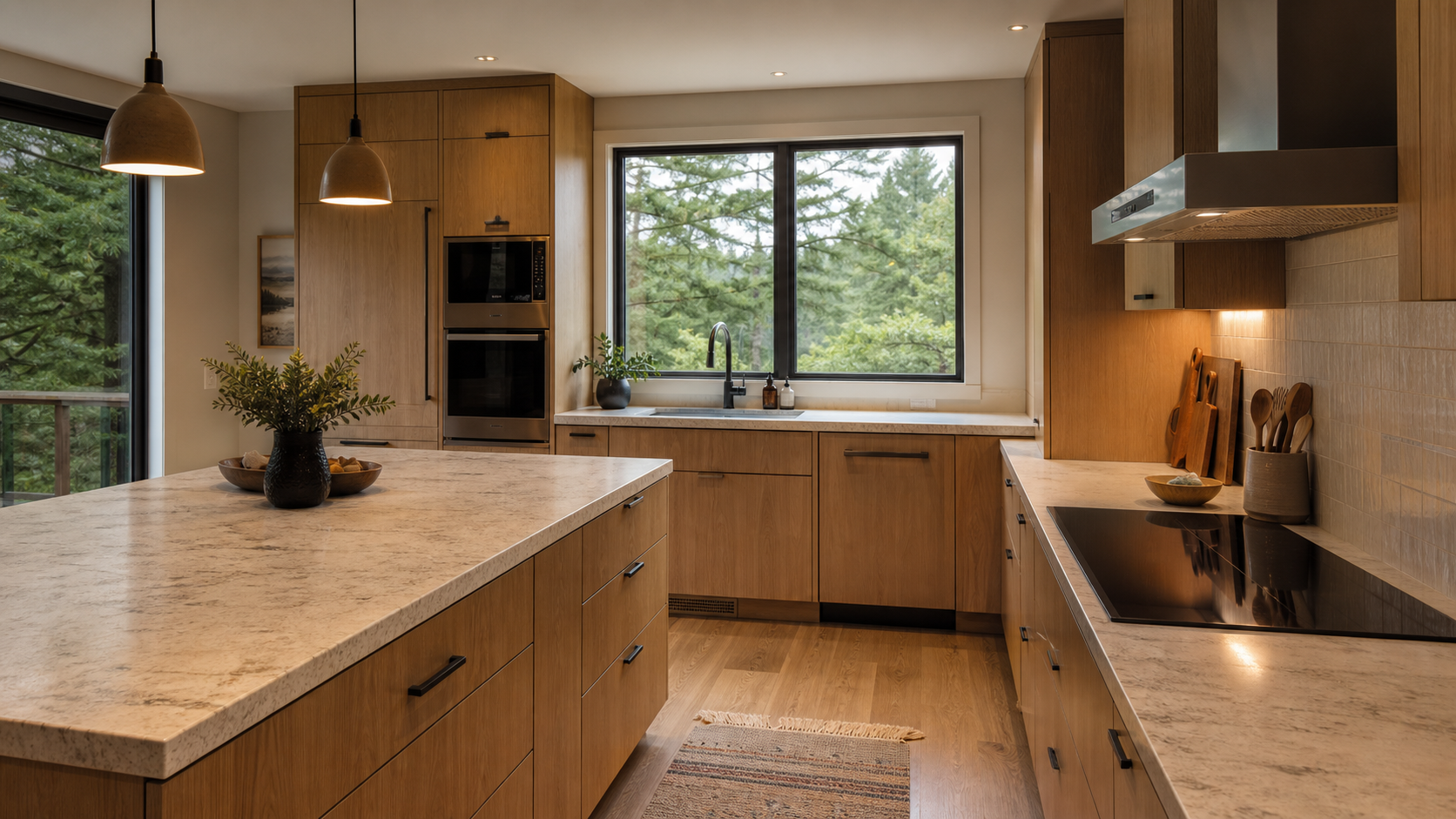
A kitchen renovation is one of the most rewarding upgrades a homeowner can make, but it's also one of the most involved. A kitchen combines plumbing, electrical, ventilation, cabinetry, and finishes in one busy space, so the difference between a smooth project and a stressful one usually comes down to planning before demolition, not decisions made during it.
This guide walks through what to think about before you start, with a focus on how renovations work here in British Columbia. It's general information, not a substitute for advice from your local building department or a qualified professional for your specific project.
1. Start With Scope, Not Finishes
It's tempting to begin with the fun part, the countertops, the tile, the cabinet colour. But the smartest first step is defining scope. Are you refreshing the existing layout, or moving walls, plumbing, and appliances? A cosmetic update and a full reconfiguration are very different projects in cost, timeline, and approvals.
Write down what's driving the renovation, more storage, better flow, more light, or simply an outdated space, and separate your must-haves from your nice-to-haves. This makes every later decision, including budget, much easier.

2. Understand Permits by System, Not Just by Room
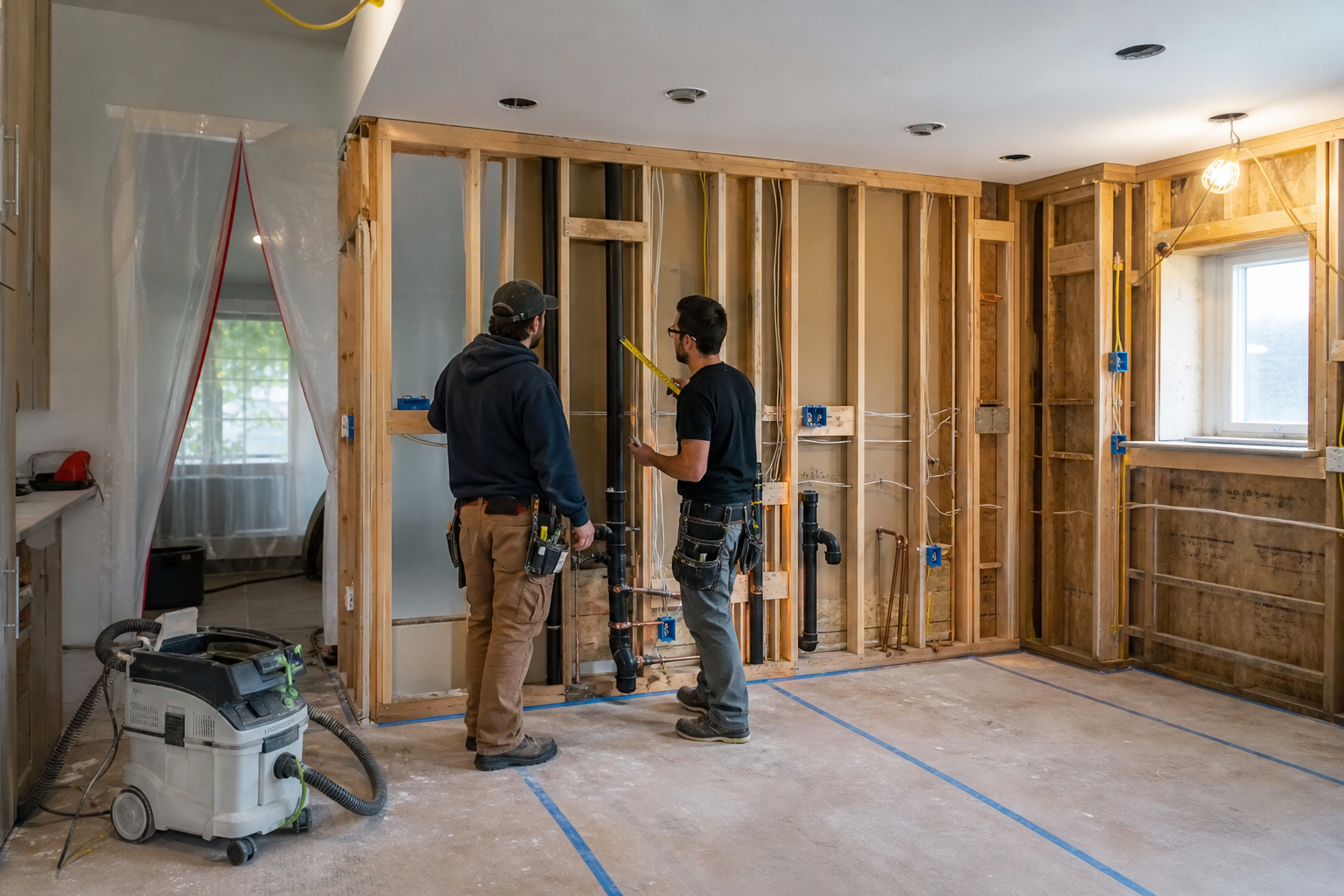
In British Columbia, whether you need a permit usually depends on what systems you touch, not simply the fact that it's a kitchen. Painting, replacing cabinets, or swapping a fixture in the same location often doesn't require a building permit. But moving or adding plumbing, changing electrical circuits, altering gas lines, or moving walls generally does.
Requirements also vary by municipality. What's handled one way in the District of North Vancouver may differ in the City of Vancouver, Burnaby, or elsewhere in the region. Always confirm the current rules with your local building department, or let your contractor handle it.
The safest approach is simple: confirm the permit question before demolition, not after. Unpermitted work can cause problems at inspection, insurance, or resale.
3. Know the Codes That Apply
Renovations in BC are governed by the BC Building Code, along with electrical, plumbing, and gas requirements. The BC Electrical Code (based on the Canadian Electrical Code) is updated on a regular cycle, and a current edition took effect in BC on March 4, 2025. Electrical work in a kitchen, new circuits for appliances, dedicated small-appliance circuits, GFCI protection near sinks, must meet the code in force at the time of your permit.
You don't need to memorize the code. But you should work with people who do, and who pull the right permits so the work is inspected and compliant. This protects you, not just the contractor.
4. Plan the Layout Around How You Live
A good kitchen layout is about how you move, cook, and gather, not just how it looks. Think about the working relationship between the sink, stove, and refrigerator, where you prep, and where people tend to stand. Consider counter space on both sides of the stove and sink, storage close to where it's used, and clear walkways.
If your renovation moves the sink, stove, or fridge, remember that relocating plumbing, drains, venting, and circuits adds cost and often triggers permits. Sometimes a smarter layout within the existing footprint delivers most of the benefit at a fraction of the disruption.
5. Don't Overlook Ventilation and Moisture
Kitchens produce heat, grease, and moisture. Proper range-hood ventilation, ideally vented to the outside, helps protect your finishes, air quality, and cabinetry. In our coastal climate, managing moisture matters. This is easy to plan for at the start and expensive to fix later.
6. Check for Older-Home Hazards
Many BC homes were built decades ago, and older materials can contain asbestos, in flooring, sheet vinyl, drywall compounds, and more. In British Columbia, there are strict rules around identifying and safely handling hazardous materials before renovation work disturbs them.
If your home is older, testing before demolition is a sensible step. It protects your household and the crew, and it avoids costly surprises mid-project.

7. Budget for the Whole Project, Not Just Materials
A realistic kitchen budget goes well beyond cabinets and countertops. It includes design, permits, demolition and disposal, plumbing and electrical work, ventilation, flooring, lighting, finishes, appliances, and a contingency for the unknowns that older homes often hide behind the walls.
A detailed, itemized quote is your best protection. It shows where your money goes and reduces the risk of surprise costs. Be cautious of any estimate that seems far lower than the rest, it may be missing scope you'll pay for later.
8. Work With a Team That Handles the Details
The smoothest kitchen renovations come from clear planning and a team that manages permits, codes, trades, and timelines for you. When one team coordinates design, approvals, and construction, you get fewer gaps, better communication, and a result that matches what you pictured.
Planning a Kitchen Renovation in North Vancouver?
Book a free consultation and we'll help you plan scope, permits, and budget before the work begins.
Get a Free Quote → See Kitchen Services GSHC
GSHC 